The PoleOS™ Company


NESC® FAQs
Learn about the most frequently asked questions about the National Electric Safety Code®.
Stay up to date with the latest NESC news, events, and webinars
General FAQs
The National Electrical Safety Code (NESC) is the foundational standard governing power and communications utilities, including fiber optic lines. It covers requirements for ground clearance, burial depths, clearance to power lines and equipment, and pole and equipment strength.
To complement the NESC, the McGraw-Hill NESC Handbook is an excellent reference — it includes hundreds of drawings and photographs that help clarify the Code’s technical language.
ikeGPS also offers training on NESC requirements specifically for communications and joint-use applications, combining a structured overview of the Code with real-world application examples. Contact us to learn more about our training programs.
Clearances
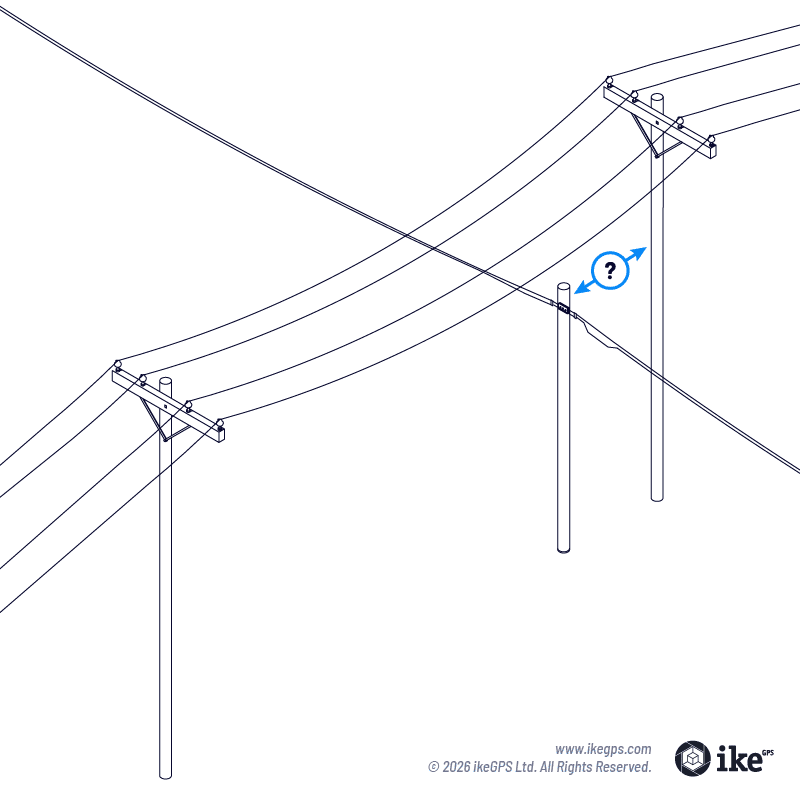
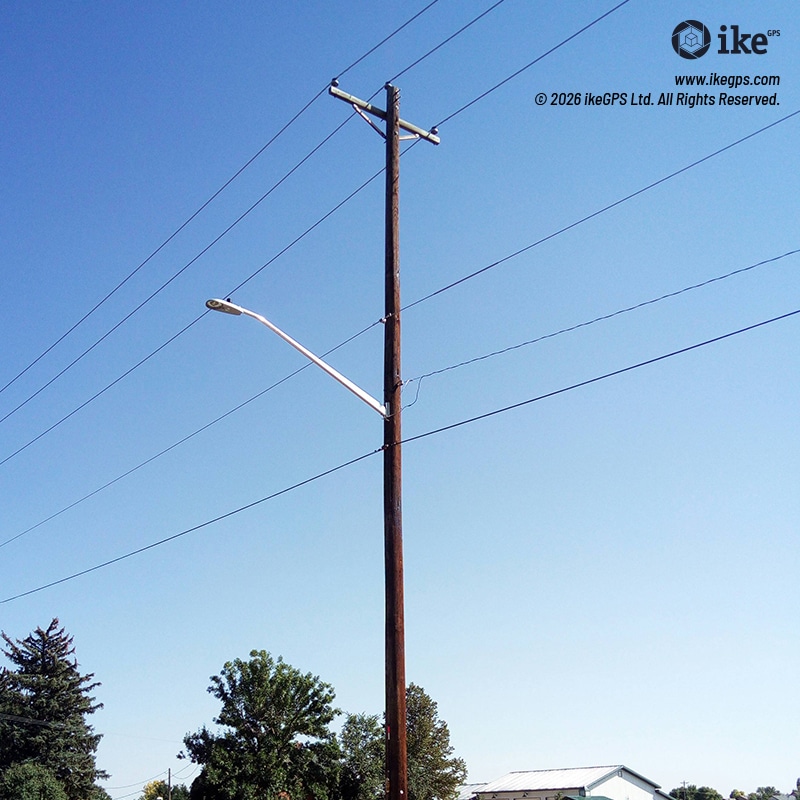
There is no distance specified between poles in the NESC. Rule 234B contains clearances from wires and cables to poles supporting another line, a streetlight, or a traffic signal.
Rule 234B1 contains horizontal clearances to poles. For power lines, not-less-than values are specified both at rest, and with a 6 psf wind at 60°F. Other lines need only be checked at rest, without wind applied.
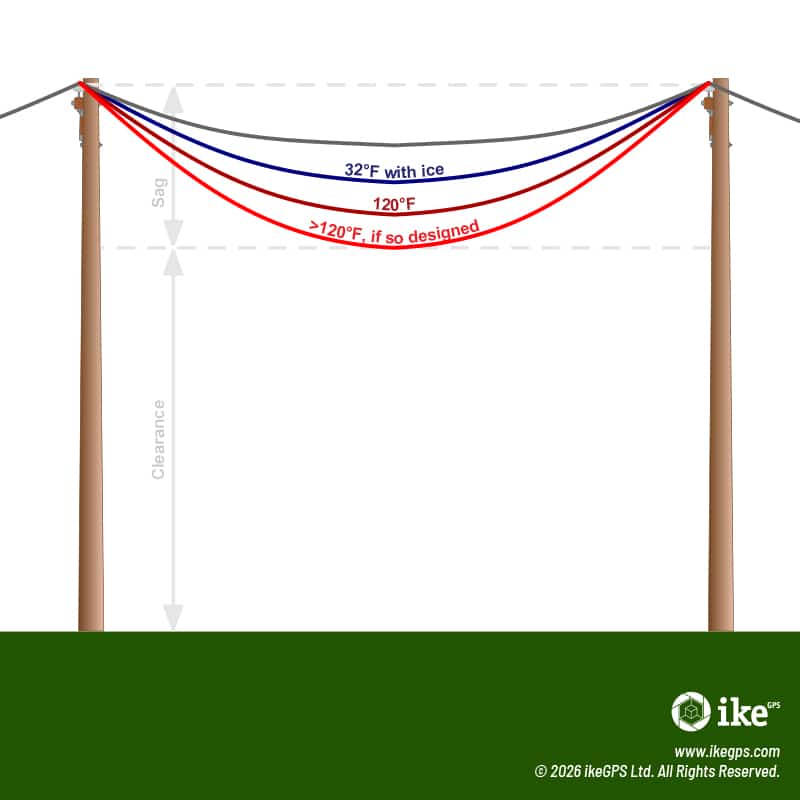
Rule 234B2 contains vertical clearances to poles. Power lines, service lines, and communication cables must all be considered at the maximum sag at 32°F with ice, 120°F, or greater than 120°F (if so designed) when checking vertical clearances.
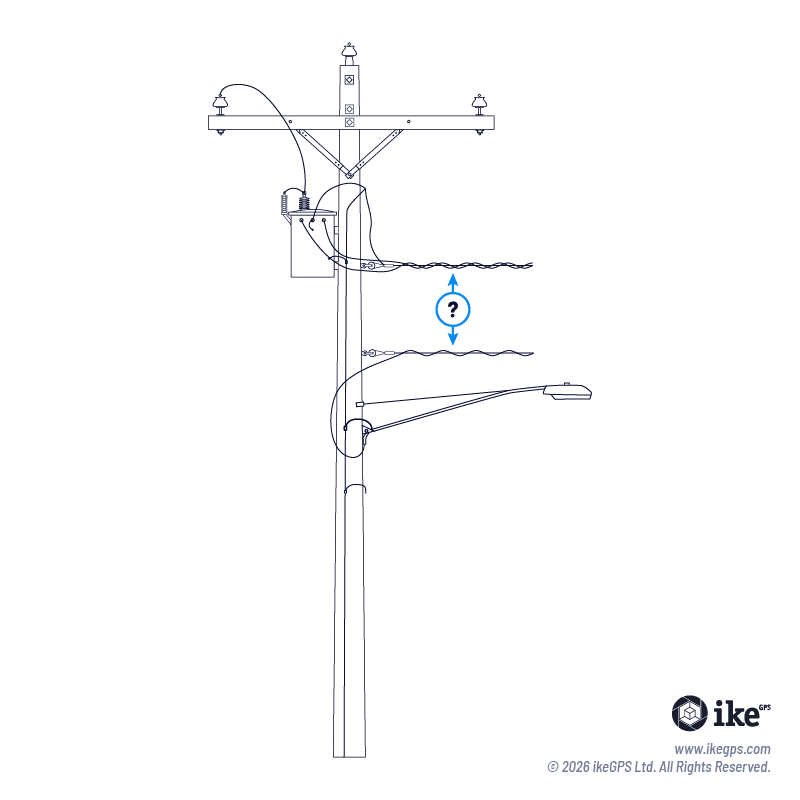
The vertical clearances between conductors and cables carried on the same supporting structure (pole) are detailed in Rule 235C. Table 235-5, footnote 2, recommends 40 inches between cables meeting Rule 230C3 (duplex, triplex, and quadruplex service wires) owned by different utilities.
Note that this is only for conductors owned by utilities. If the streetlight services were owned by a non-utility, such as a city or state department of transportation, then the Code does not specifically address the clearances and accepted good practice must be used. Also note that only qualified workers may approach energized lines and equipment closer than 10 feet. See OSHA 1910.268 for telecommunication workers, OSHA 1910.269 for power line workers, and OSHA 1910.333(c)(3)(i) and (ii) for other workers.
If a normal down guy is installed, you will need to maintain at least 9.5 feet of clearance over the sidewalk (NESC Table 232-1 including Footnote 11) and at least 4 feet from the fire hydrant (NESC Rule 231A).
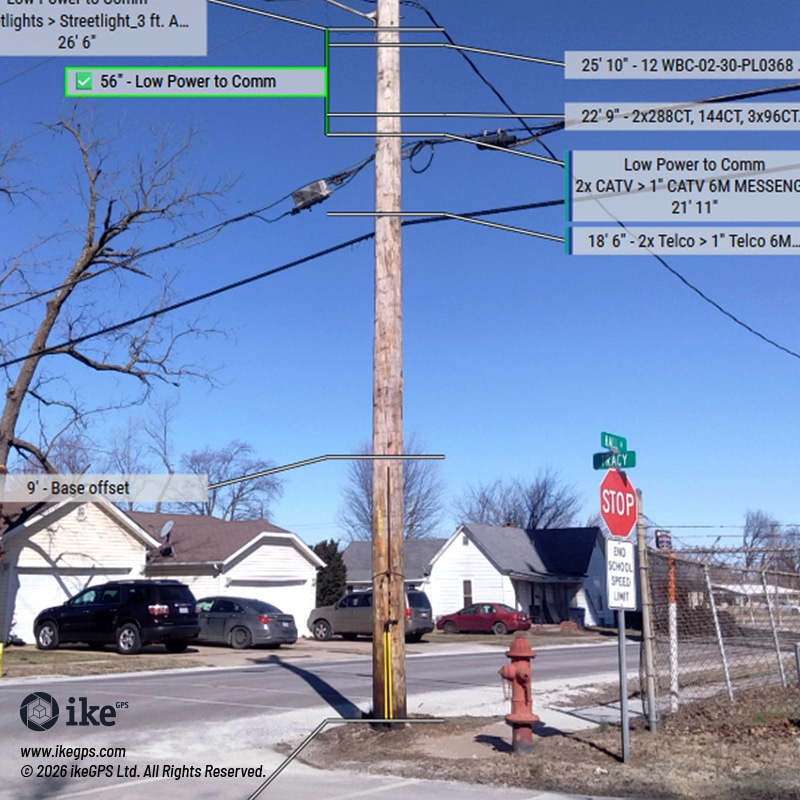
Yes. See both Appendix A and Footnote 26 of NESC Table 232-1 for clearances where vehicles taller than 14.0 feet may be encountered. Clearances should be increased to account for farm equipment, dump trucks, or other vehicles exceeding 14.0 feet in height.
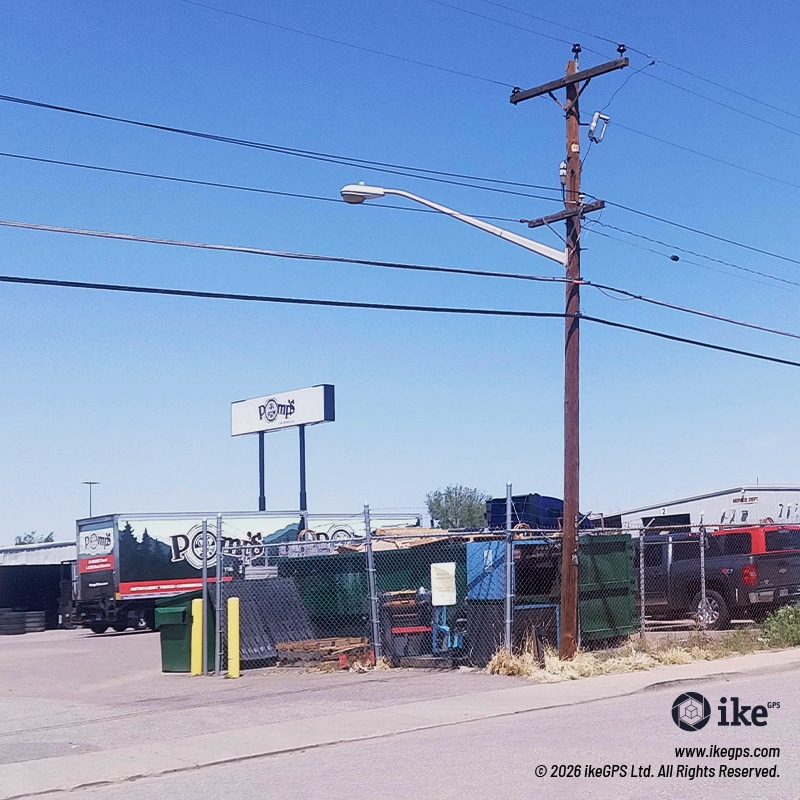
NESC Rule 238D allows a reduced clearance to drip loops feeding a streetlight or traffic signal. If the service originates at a different pole, then a clearance of 40” to communication cables at the poles and 30” to communication cables in the span must be maintained from the secondary (service) wire, even if it serves a streetlight or traffic signal.
Yes, in fact the NESC requires the clearances it specifies to be maintained at the “worst case” sag and tension.
Clearances above ground must be maintained at 32°F with ice from the loading zone, 120°F, or greater than 120°F if so designed.
Clearances to buildings, mid-span clearances between power and communication cables, and other clearances in the span also have “worst case” sags specified. For example, some horizontal clearances may specify a temperature of 60°F with a wind pressure of 6 lb/ft².
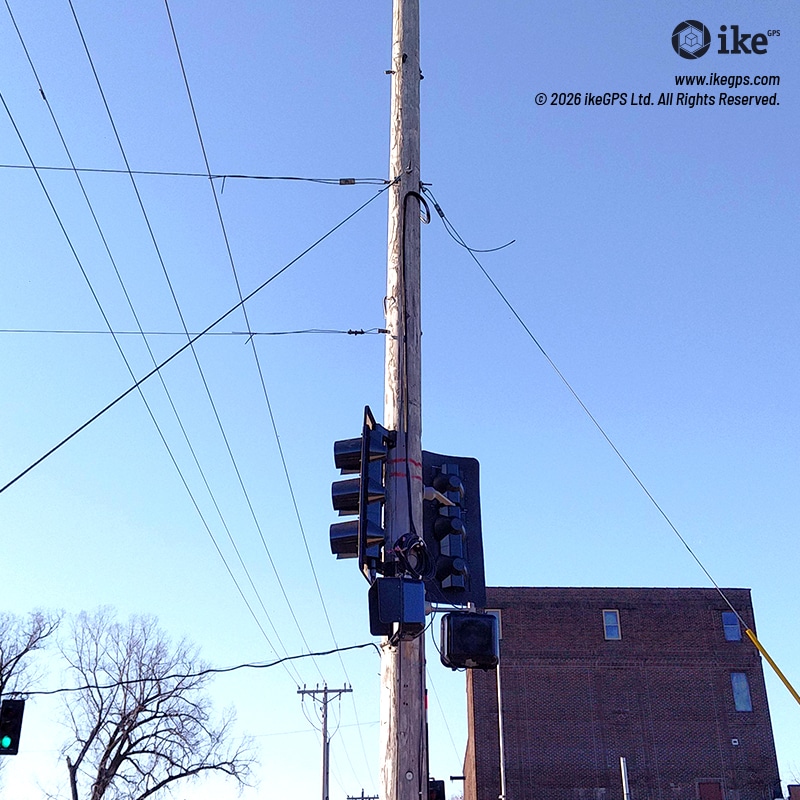
NESC Rule 238D allows a clearance of 12” from drip loops for streetlights and traffic signals from communication lines, with an exception allowing 3” if the wire is covered by a “suitable nonmetallic covering.”
40” is still required from communication lines to other power drip loops. The reduced clearance is only for the drip loop feeding the streetlight, and 40” is also required to the portions of the service wire feeding the light from another pole.
Clearances from communication lines and equipment to traffic signal brackets and span wires are located in NESC Rule 238C. If the traffic signal is above the communication cables, 40” is required for non-grounded brackets and span wires and 4” is required for grounded traffic signal brackets and span wires. If the traffic signal is below the communications, 4″ is required and the bracket or span wire must be grounded.
Clearances to traffic signal drip loops and cables are in Rule 238D. A minimum of 12″ is required between the traffic signal drip loop and the highest communications cable or equipment. An exception allows 3” if the drip loop is covered with suitable nonmetallic protection.
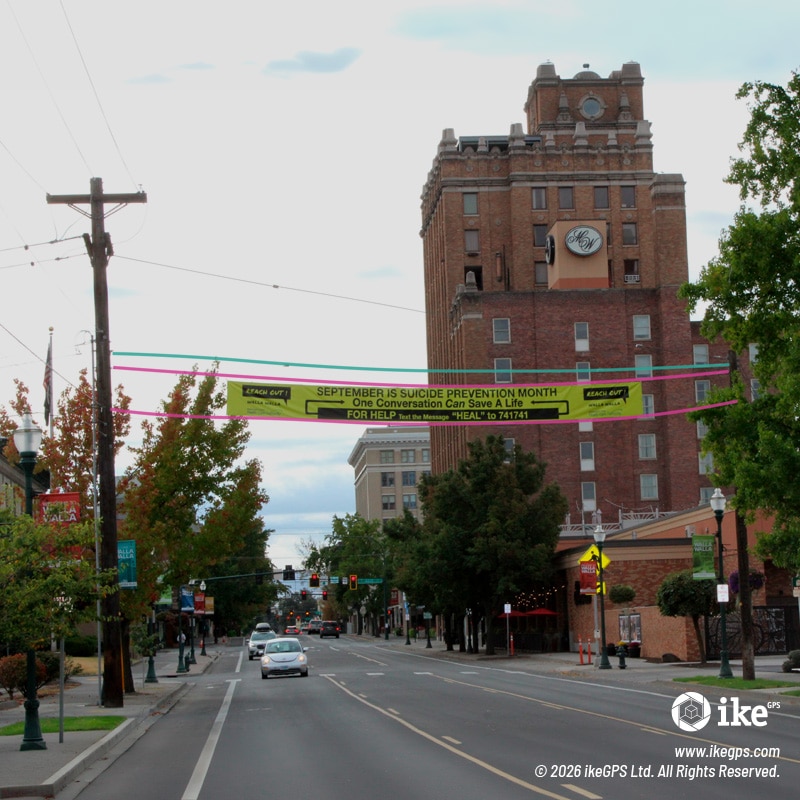
Banners on utility poles are not addressed specifically, and NESC Rule 012C (accepted good practice) must be considered. Best practice would be to treat them similar to communication equipment.
Remember that only qualified workers may get within 10 feet of energized lines, so the utility workers may need to install and remove them. Banners can also add significant wind load to the poles, so the NESC strength and loading requirements should be checked by an experienced distribution designer.
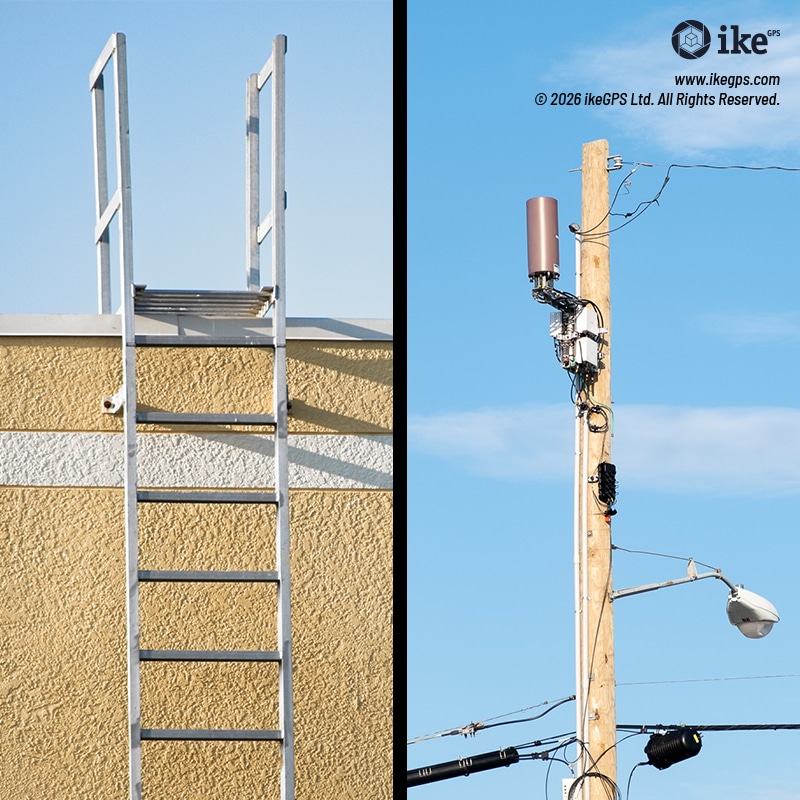
If a door, stairway, or permanently mounted ladder* gives access to that portion of the building, the clearances from NESC Table 234-1 for portions of buildings that are “readily accessible to persons” apply, but don’t forget that Rule 234A requires the clearances to be checked at the “worst case” sag, not the clearances on the day it is installed or the day it is inspected.
*Note: Leaning a ladder up yourself and climbing does not qualify as readily accessible.
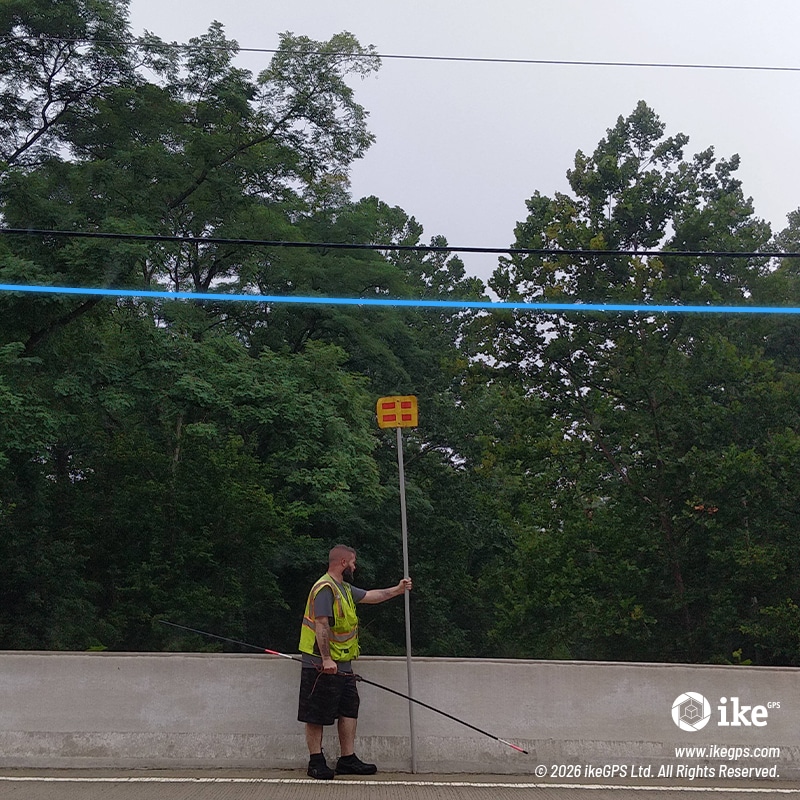
Where the cable is directly above the traveled way (roadway), the normal above-ground clearances from NESC Rule 232 apply. If the cables are not above the roadway, then NESC Rule 234D and Table 234-2 require the communications cables to have not less than 10 feet of vertical clearance, or not less than 5 feet of horizontal clearance. The horizontal clearance can be reduced to 4 feet to portions of the bridge that are not readily accessible (for example, beams running above the roadway that are part of the bridge).
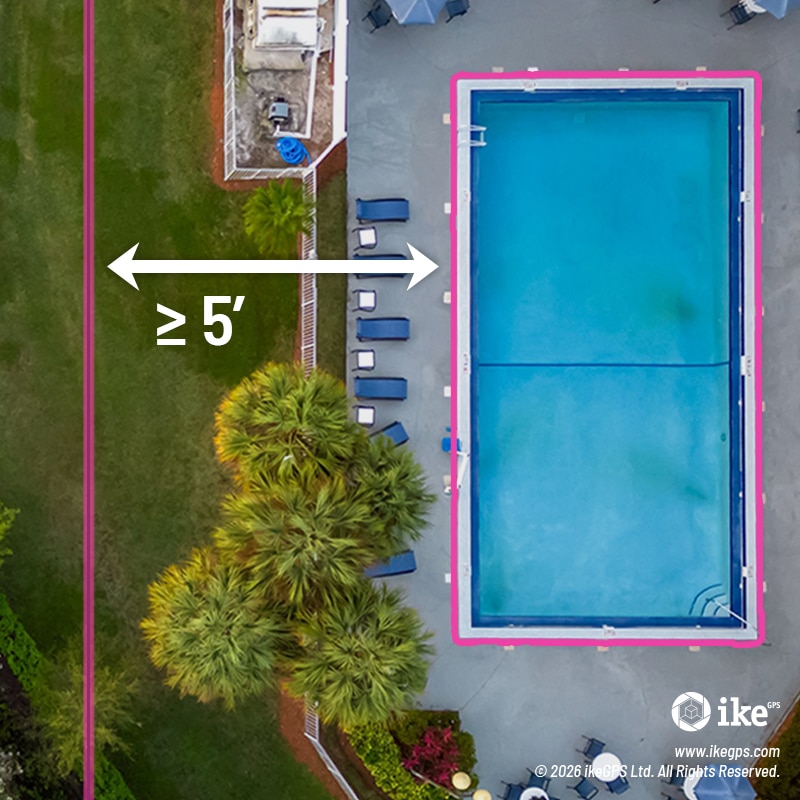
NESC Rule 351C1 requires not less than five feet of horizontal clearance between an in-ground swimming pool or its auxiliary equipment and an underground power cable.
Requirements for underground lines near above-ground pools are found in Rule 351C2.
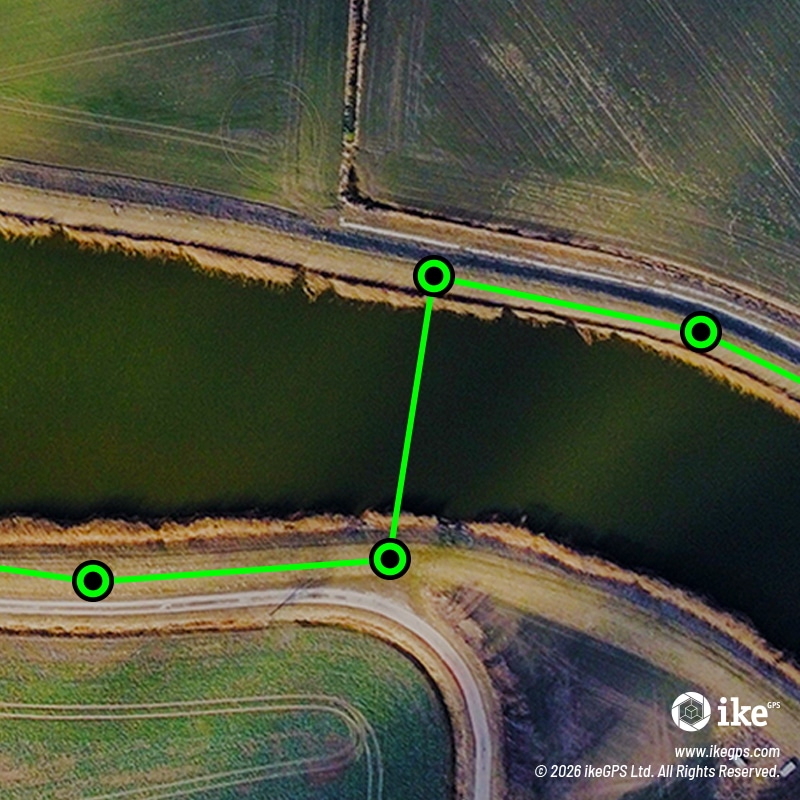
No. Crossings for grade B include railroads, controlled access highways (usually with on/off ramps), and navigable waterways. Navigable waterways mean shipping traffic and usually require permits from an entity like the U.S. Corps of Engineers.
Assuming street light brackets are grounded and street light drip loops are uncovered, then the minimum clearance from the drip loop to the communications line is 12 inches (per NESC Rule 238D).
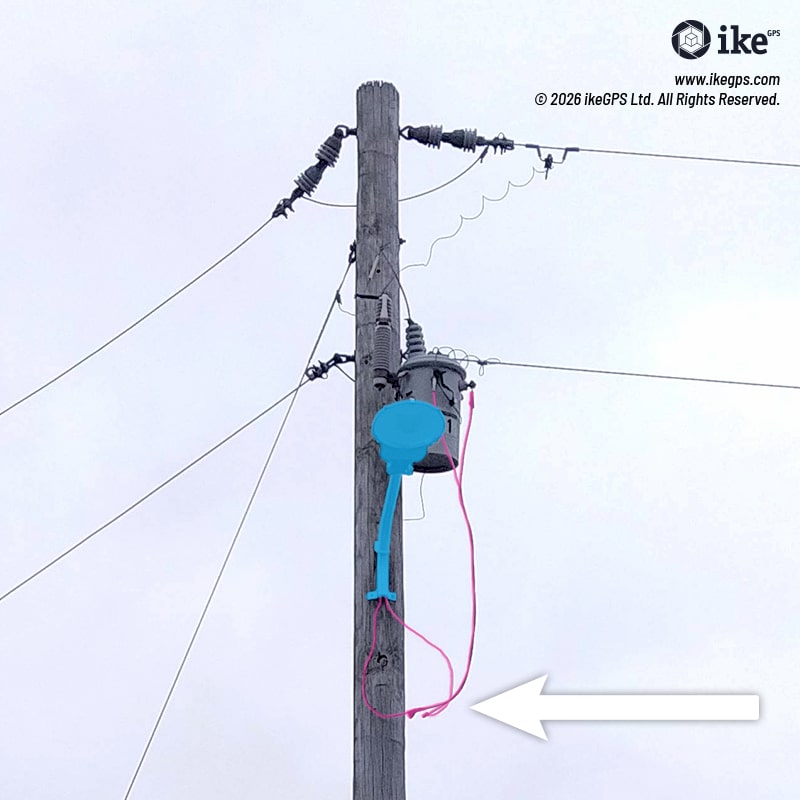
The control cable is treated the same as any other cable located in the electric supply space. NESC Rule 239G requires a 40-inch clearance.
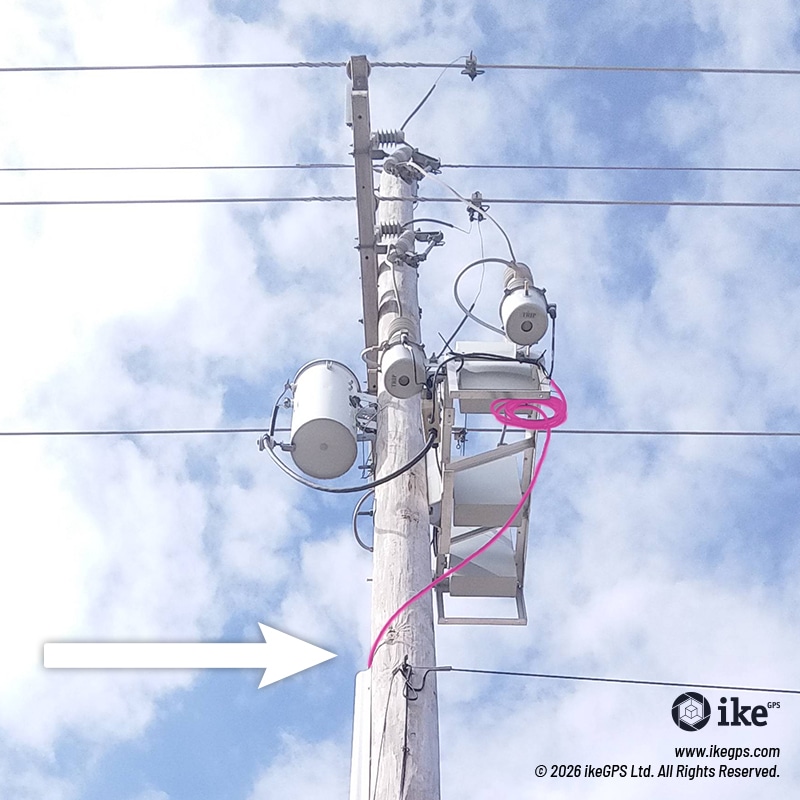
Pole Loading
No specific values are specified in the NESC; however, the strength of the poles, guys, and anchors multiplied by the appropriate NESC strength factors must be greater than the loads multiplied by the NESC load factors.
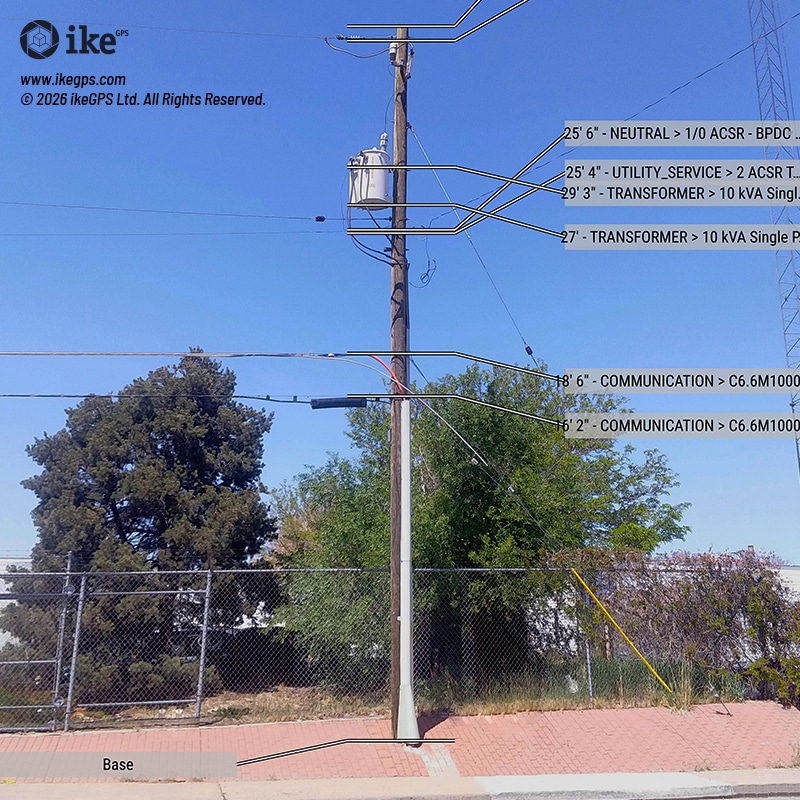
The structure must be capable of supporting the longitudinal loads specified in the NESC. Guying is the most common method of supporting these loads. NESC Rules 252C, 261A5, and 261D5 cover some of the loading requirements when the grade of construction changes.
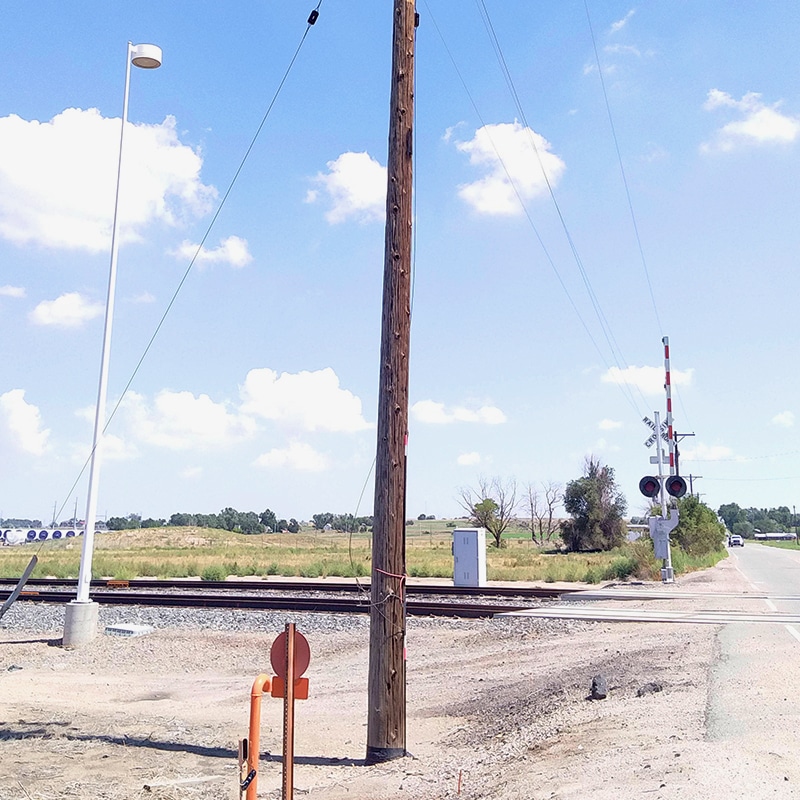
Safety
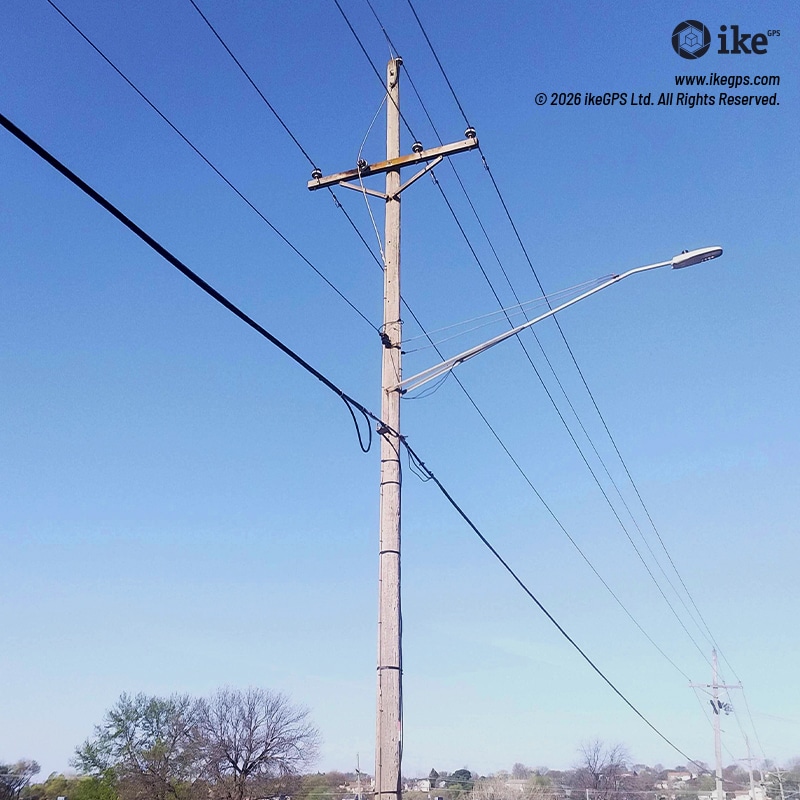
No. NESC Rules 235C and 238 specify the requirements for the communication worker safety zone. Nothing is allowed in this zone except grounded brackets and span wires supporting streetlights and traffic signals, drip loops feeding street lights and traffic signals, and vertical risers in conduit.
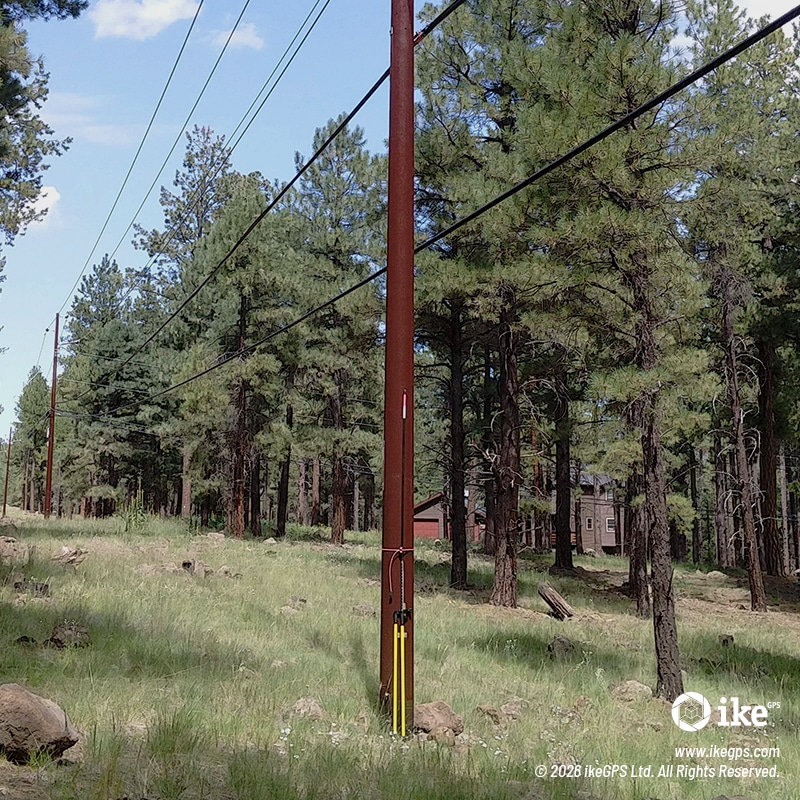
NESC Rules for how to ground are covered in Section 09 (other parts of the Code cover when grounding is required). Rule 093A allows steel poles to be used as the grounding conductor. Rule 094C6 lists the requirements to use a directly embedded steel pole as a grounding electrode.
IKE’s NESC training classes
Find the NESC training that fits your team’s needs. From customized group training to pre-scheduled training for individuals.