The PoleOS™ Company



A guide to increasing productivity in overhead design engineering: The combined impact of workforce development, process modernization, and technology adoption
- Engineering Firms

The modern electric infrastructure was originally built out in the mid-twentieth century as a mostly static, one-directional system. This system is undergoing a radical transformation, reshaped by load growth, digitalization, distributed energy resources (DERs), broadband expansion, and evolving regulatory expectations. These forces are placing unprecedented demands on utilities, engineering service providers, communications companies, and the workforce responsible for designing and operating overhead infrastructure.
A convergence of pressures is unfolding simultaneously and is at the heart of this transformation. Rapidly increasing load, driven by electrification (EVs, fleet conversions, industrial processes, ports, etc.) as well as data centers are changing the spatial and temporal characteristics of the grid. Aging transmission and distribution assets must be repaired, replaced, or hardened at scale. The high-voltage transmission network, the backbone of the nation’s power system, is itself aging and increasingly misaligned with modern demand profiles. Roughly 70% of U.S. transmission lines and transformers have been in service for more than 25 years, yet are now subjected to dynamic, bidirectional flows from DERs and variable loads that they were not designed to handle1. At the same time, historic federal investments in broadband are accelerating joint-use activity, dramatically increasing the volume of pole attachment requests and make-ready engineering.

These changes represent a structural shift in how the grid is planned, engineered, and managed and are not merely incremental. Workflows, staffing models, and data-management practices that evolved in the former grid paradigm are swamped by the pace and scale of activity. The resulting increases in work must be completed faster, more accurately, and under tighter regulatory scrutiny, all while utilities and engineering firms are grappling with workforce shortages.
Drawing on industry analysis, government reports, and direct insights from utility leaders, engineering service providers, and technology executives, this white paper examines how these converging trends are reshaping the future of overhead infrastructure management. We will explore the forces driving unprecedented engineering demand and the operational implications that follow, providing thought-provoking insights and experiences. In particular, the paper focuses on four interrelated themes:
- Massive grid modernization driven by aging infrastructure, electrification, and DER integration requires sustained, multi-decade investment and increasingly complex engineering analysis.
- Broadband expansion and joint-use growth are dramatically increasing the volume and urgency of overhead design and make-ready work while forcing new forms of coordination between utilities and communications providers.
- Workforce transformation is imperative, as retirements, skill gaps, and changing job requirements collide with the largest infrastructure workload the industry has ever faced.
- Technology and field productivity solutions are emerging as essential enablers for scaling engineering output, improving safety, and maintaining data integrity in an increasingly complex environment.
Because these issues are inherently interdependent rather than siloed, this paper emphasizes their relationships and combined impacts. You will discover that none of these challenges can be addressed using legacy processes designed for a simpler era. Grid modernization cannot succeed without an expanded workforce capable of executing it. Workforce expansion cannot keep pace without productivity gains enabled by digital tools and data integration. Broadband deployment cannot be scaled without modernized joint-use processes, integrated workflows, and accurate field data.
The following discussions are grounded in real-world experience by industry practitioners. This will highlight the operational realities utilities and engineering firms face today, while external references provide broader context on policy, investment, and technology trends. Together, a clear picture will be formed that the overhead infrastructure ecosystem is at an inflection point. Upcoming decisions will shape the grid’s reliability, resilience, and affordability for decades to come, and these decisions will hinge on workforce development, process modernization, and technology adoption.
Theme 1: Massive grid modernization is creating unprecedented engineering demand
The U.S. electric grid is undergoing its most significant period of transformation since the mid-20th century, driven by aging infrastructure, load growth, expanding distributed energy resources (DERs), and rising expectations for reliability and resilience. These forces, combined with regulatory mandates, extreme-weather risks, and emerging load profiles, are creating unprecedented engineering demand across the transmission and distribution (T&D) system. Modernization is no longer discretionary; it has become a strategic, economic, and operational imperative that will unfold over multiple decades.
Aging assets represent the most pressing foundational challenge. Much of the U.S. T&D system is operating beyond its intended service life, leading to increased failure risk, capacity limitations, and diminished operational flexibility.
Underscoring the need for grid investment, Deloitte highlights that global electricity demand is expected to grow by roughly 150 percent by 20502. They demonstrate that the confluence of deteriorating assets and rising system demands ensures that engineering firms and utilities face a significant and sustained modernization workload, as there is an immediate need for grid expansion and modernization to maintain the required reliability and support renewable integration.
The U.S. is facing unprecedented growth in energy-intensive digital and industrial infrastructure. DOE’s 2025 reliability and security assessment identifies AI data centers, manufacturing, and re-industrialization as major contributors to rising load and local distribution stress3. Many of these facilities require exceptionally high reliability, resilience, and often dedicated interconnection studies, which demand specialized engineering work.
Electrification is another major driver that is reshaping both the scale and nature of distribution-level engineering. Electrification now includes not only residential adoption of EVs but also widespread conversion of commercial fleets, port operations, industrial processes, and large commercial facilities. Rabobank estimates that national electricity consumption could rise by 20 percent by 2030 due to EV adoption, concurrent load growth in data centers, and demand from other sectors4. The demand is not only increasing but clustering geographically, with EV fast charging, industrial electrification, and fleet depots creating concentrated distribution-level stress.
RMI’s found5 that the current U.S. distribution grid is not uniformly prepared for unmanaged EV charging and that significant upgrades and control strategies are necessary to maintain reliability under high electrification scenarios. RMI concludes that traditional “just-in-time” planning isn’t enough; proactive, data-driven investment in grid upgrades, combined with managed charging strategies (like smart charging), can reduce costs, defer upgrades, and improve reliability for a smoother transition to widespread EV use, requiring new tools and policies.
Alongside electrification, DER adoption, particularly rooftop solar, battery storage, community solar, demand-responsive loads, and vehicle-to-grid (V2G) technologies, is transforming the behavior of the distribution grid. A senior engineering leader at a national design firm states, “We’re seeing the DERs with batteries and rooftop solar […], vehicle-to-grid […], Volt-VAR optimization, CVR initiatives, distribution fiber, distribution automation efforts […]. This trend is only going to continue to grow over the next few decades.”
“We’re seeing the DERs with batteries and rooftop solar […], vehicle-to-grid […], Volt-VAR optimization, CVR initiatives, distribution fiber, distribution automation efforts […]. This trend is only going to continue to grow over the next few decades.”
Senior Engineering Leader
National Design Firm
This emphasis on the next several decades aligns with projections from the U.S. Department of Energy (DOE)’s 2025 Vehicle-Grid Integration (VGI) strategy6, which calls for substantial modernization, enhanced flexibility, and new grid-edge capabilities to accommodate bi-directional power flows, EV-managed charging, and DER integration. The DOE concludes that consumers and businesses are showing growing interest in electric vehicles, and while adoption rates will differ by region, proactive planning today can shape how that growth unfolds. Early action allows utilities and policymakers to make targeted investments, encourage grid-friendly charging through thoughtful rate design and programs, and ensure that drivers have timely access to charging infrastructure for both personal and commercial use. With deliberate planning and close coordination among utilities, automakers, regulators, charging providers, aggregators, and labor organizations, it is possible to realize a vehicle-grid integration vision that delivers broad system benefits and value to all electricity customers, not only those who own electric vehicles.
DER growth also introduces complexity absent from the traditional one-way power flow paradigm. Modern circuits increasingly experience bidirectional flows, rapid variability, and voltage challenges. One senior engineering leader captured this system-level transformation vividly, “Now you’ve got two-way power flow going, you’ve got it going at different times of the day. You’re basically taking the most complex machine ever invented by mankind, and we’re reinventing it.”
“Now you’ve got two-way power flow going, you’ve got it going at different times of the day. You’re basically taking the most complex machine ever invented by mankind, and we’re reinventing it.”
Senior Engineering Leader
National Design Firm
Academic research supports this assertion: unmanaged DER growth significantly increases the need for feeder upgrades, voltage regulation improvements, and hosting capacity enhancements—but also highlights that coordinated DER control can reduce some upgrade needs while still requiring foundational infrastructure reinforcement7.
Meanwhile, load forecasting has become more difficult and less predictable. Traditional long-term forecasting models struggle to account for rapidly changing EV adoption rates, evolving DER penetration, and dynamic load profiles from industrial electrification.
Such uncertainty compels utilities to invest in more flexible infrastructure, enhanced telemetry, and advanced planning tools—further increasing engineering workload.
In addition to these macro-level drivers, DOE notes that modernization is increasingly shaped by policy and regulatory priorities around reliability, resilience, and security, alongside the deployment of advanced communications and control architectures to support more automated distribution operations8.
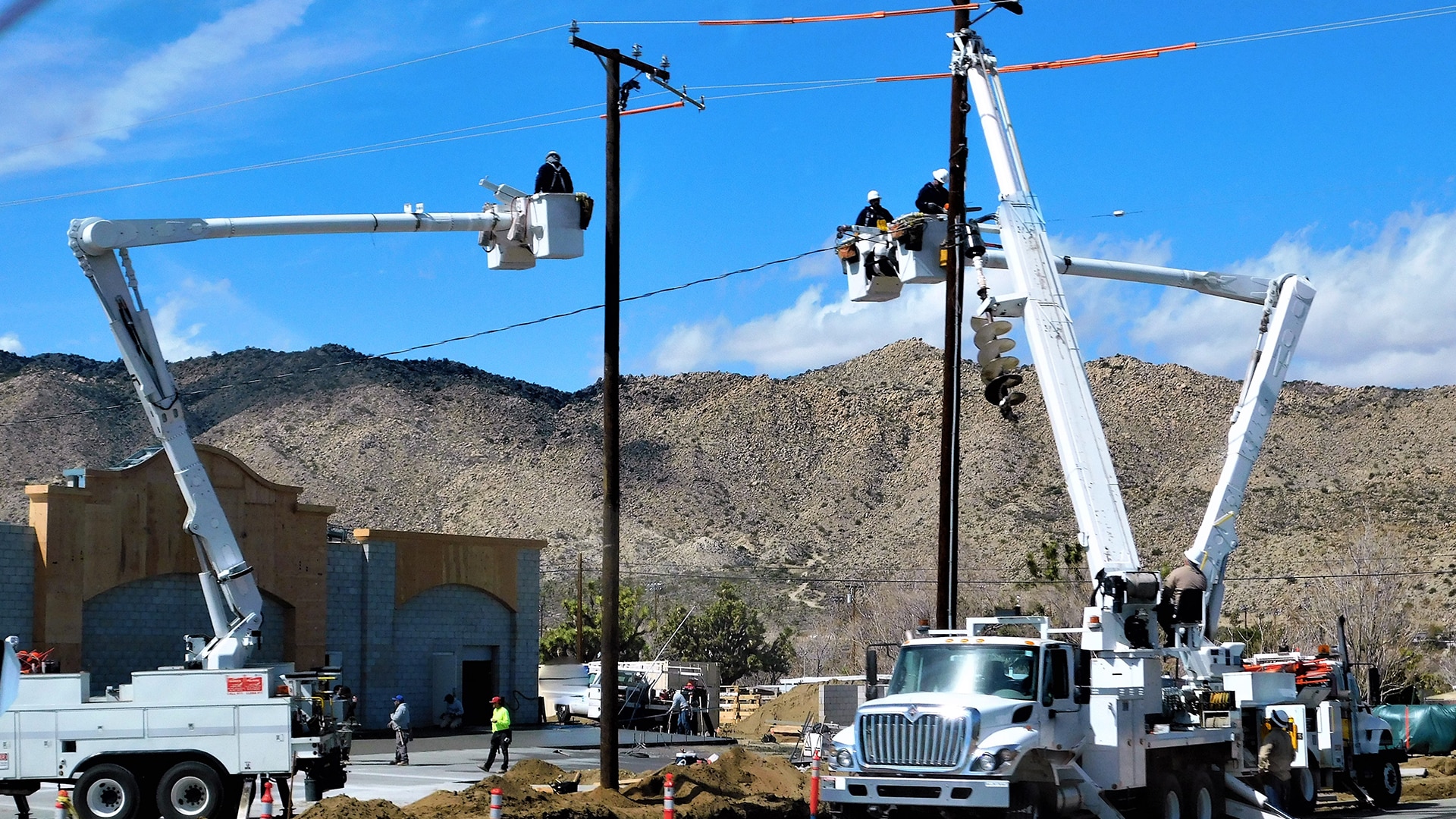
These converging pressures ensure that modernization is not simply about replacing old poles or conductors; it is about re-engineering the distribution grid for the 21st century. Modernization requires the integration of new technologies, such as smart inverters, advanced metering, real-time sensors, automation systems, and high-speed field-data workflows. It requires coordination among utilities, regulators, engineering service providers, and technology platforms. It demands updates to design standards, interconnection policies, and protection schemes. And critically, it requires an engineering workforce capable of designing, modeling, and managing increasingly complex systems. As CEO of ikeGPS Glenn Milnes notes, the scale of investment and effort is not temporary, “This level of investment in grid infrastructure and fiber isn’t a short-term item […]; it’s going to develop over decades and decades and decades.”
“This level of investment in grid infrastructure and fiber isn’t a short-term item […]; it’s going to develop over decades and decades and decades.”
Glenn Milnes
Chief Executive Officer
ikeGPS
His observation mirrors virtually every major industry outlook that the grid modernization effort is a multi-decade transformation, not a cycle.
In summary, the U.S. grid is facing a convergence of aging assets, rising demand, DER integration, emerging technologies, and regulatory pressures that collectively create unprecedented engineering challenges. The following sections examine how these forces reshape workforce requirements, design engineering practices, joint-use infrastructure needs, field-data productivity, and the role of advanced technology solutions in meeting this historic challenge.
Theme 2: Broadband expansion, joint use, and overhead infrastructure demand
Broadband expansion has become one of the most significant drivers of overhead engineering activity in the United States. As utilities adapt their distribution systems to accommodate electrification and the growth of DERs, the parallel effort to extend high-speed internet access to unserved and underserved communities is placing additional demands on pole owners, communications providers, and engineering firms. Together, these trends are reshaping the scope and pace of joint-use work, increasing both its volume and complexity. Meeting this demand is forcing organizations to rethink traditional approaches, adopt more efficient workflows, improve data sharing across stakeholders, and rely more heavily on modern field data collection technologies.
The Infrastructure Investment and Jobs Act (IIJA) of 2021 committed $65 billion to expanding broadband access, with a particular focus on rural and remote communities that have historically lacked reliable service9, 10.

That level of investment triggered a surge in fiber deployment efforts, including widespread fiber-to-the-home initiatives11. While communications providers are leading much of this expansion, electric utilities play a central role because they own and maintain a large portion of the physical infrastructure needed to support broadband, especially in rural areas, where overhead distribution systems form the foundation for both electric and telecommunications networks. In many markets, broadband availability and competitive choice remain limited, reinforcing policy and market pressure to accelerate buildouts12, 13.
This scale of demand is actively reshaping utility workflows and engineering workloads. Communications companies are under intense market pressure and subject to regulatory timelines to deploy quickly, while utilities must prioritize safety, reliability, and system integrity. Glenn Milnes framed this dynamic succinctly, “Communications companies deploying these fiber networks are interested in speed and time to market […]. The utility side […] is focused on quality of work, robustness of the grid, safety, and reliability. Bringing these competing demands together is the key.”
“Communications companies deploying these fiber networks are interested in speed and time to market […]. The utility side […] is focused on quality of work, robustness of the grid, safety, and reliability. Bringing these competing demands together is the key.”
Glenn Milnes
Chief Executive Officer
ikeGPS
The result is a rapidly growing volume of pole-attachment requests, permits, and engineering reviews that must be processed far faster than historical norms. For context, the NTIA’s Broadband Equity, Access, and Deployment (BEAD) program alone is funding millions of new fiber passings nationwide through 2030, many of which rely on existing poles. Utilities—particularly rural cooperatives and municipal systems—face not only a dramatic increase in workload but also heightened expectations for timely response.
This increase from a few dozen or a few hundred poles per application to thousands fundamentally changes design engineering staffing requirements, review workflows, data aggregation processes, and the need for digital tools that eliminate manual steps. In many cases, utilities and engineering firms now process more joint-use requests in a single month than they would have handled historically in an entire year.
The technical and safety implications are equally important. Broadband expansion requires careful structural analysis of existing poles, assessment of clearance requirements, load calculations for new attachments, and evaluation of potential make-ready work. Errors can compromise system reliability or violate National Electrical Safety Code (NESC) safety standards. The need for accurate field data, adherence to standards, and efficient workflows highlights the link between digital transformation and joint-use modernization. With thousands of poles requiring evaluation, consistency and accuracy in field measurements become essential. Traditional, manual workflows, paper notes, hand-drawn sketches, physical measuring sticks—are too slow and error-prone for today’s volumes. As FCC timelines for application review tighten in many jurisdictions, utilities must adopt systems that support real-time data exchange, automated validation, and seamless integration with structural analysis tools.
These challenges are exacerbated by the growing overlap between power and telecommunications infrastructure deployments. Many utilities are now building their own broadband systems, either independently or through public–private partnerships, to serve customers more directly.
As electric utilities become broadband providers themselves, coordination between internal divisions (engineering, operations, IT, joint use) becomes more complex. The traditional model, utilities as pole owners and communications companies as attachers, is giving way to hybrid arrangements where utilities play both roles simultaneously. This increases the degree to which data integration and cross-functional collaboration are required.
At the same time, the physical grid is facing capacity constraints due to electrification, DERs, and load growth. When utilities evaluate poles for communications attachments, they must now account for:
- Higher thermal ratings and conductor tensions due to electrification
- EV-related load increases
- Multi-circuit feeder reconfigurations
- Increased fiber installations for utility telemetry
- Wildfire mitigation requirements
- NESC compliance across a more complex environment
The joint-use process is therefore no longer just about space on a pole, it is about holistic system capacity, engineering quality, safety, and multi-stakeholder coordination.
External research strongly reinforces these realities. According to the Benton Institute for Broadband & Society’s summary12 of the FCC’s 2024 Communications Marketplace Report13, more than one-third of Americans have access to only one broadband provider or lack access altogether, underscoring persistent gaps in connectivity that require coordinated action among utilities, telecommunications providers, and other stakeholders. Meanwhile, the Fiber Broadband Association reports11 record levels of fiber-to-the-home deployment in 2024, with industry forecasts projecting sustained expansion well into the 2030s. This sustained pace of deployment directly translates into long-term engineering, make-ready, and construction workloads across utility and joint-use infrastructure.
Utility regulators are also adjusting expectations. FCC’s One-Touch Make-Ready (OTMR) rules, state broadband expansion mandates, and performance-based utility regulation all place pressure on pole owners to accelerate timelines without compromising safety. One senior engineering leader commented, “Every utility has a different way of handling [OTMR…]. There’s no one solution […]. They have their own interpretation and their own way of dealing with it.”
“Every utility has a different way of handling [OTMR…]. There’s no one solution […]. They have their own interpretation and their own way of dealing with it.”
Senior Engineering Leader
National Design Firm
This variability increases compliance complexity and reinforces the need for standardized digital workflows that can accommodate multiple regulatory environments.
Broadband expansion and joint-use modernization therefore form a core pillar of the multi-decade engineering demand facing the electric grid. They amplify the challenges described in Theme 1, aging infrastructure, electrification, DERs, and unpredictable load growth—while adding new layers of complexity associated with multi-party coordination, permitting, and structural capacity assessments. The combined effect is forcing utilities and engineering firms to rethink how they collect field data, share information, perform design analysis, manage workflows, and maintain safety.
The next section of this paper will explore how workforce transformation and training must evolve to support this rapidly changing environment—and why traditional staffing models are insufficient for the scale of work ahead.
Theme 3: Workforce transformation in the energy and utility sector
The transformation of the electric grid is not only a technical challenge but a human one. Workforce dynamics, retirements, emerging skill requirements, and the rapid evolution of digital tools are reshaping how utilities, engineering firms, and telecommunications companies plan for the future. According to Deloitte14, utilities face growing pressure to respond not only to rising demand and new technologies but also to shifting workforce requirements as grid complexity increases. At the same time, there is increasing recognition that modernization can catalyze workforce renewal—if approached deliberately. Glenn Milnes frames this challenge as an opportunity rather than a threat, “Workforce transformation is often talked about with trepidation […], but this is a net positive. There’s never been a better time to be working or accelerating a career in this industry.”
“Workforce transformation is often talked about with trepidation […], but this is a net positive. There’s never been a better time to be working or accelerating a career in this industry.”
Glenn Milnes
Chief Executive Officer
ikeGPS
His perspective reflects a fundamental reality: the modernization of the grid requires a modernization of the workforce.
One of the most immediate pressures is demographic. Deloitte and the Center for Energy Workforce Development note that the power sector faces significant retirement risk as a large share of experienced utility engineers, designers, and field personnel approach retirement eligibility15, 16, 17. Across North America, workforce assessments indicate that many utilities could see a substantial portion of their skilled workforce exit over the next decade, creating added strain as modernization efforts accelerate. Many organizations estimate that 25–40 percent of their workforce may retire within the next decade. A T&D World analysis reinforces this concern, noting that nearly half of today’s workforce could retire over the same period, posing a direct risk to both operational continuity and modernization programs unless utilities significantly expand recruitment, training, and retention efforts17. Younger employees are often quick to adopt digital tools, but many haven’t yet lived through a major, complex restoration event. Veteran field technicians bring hard-earned judgment from decades in the field, yet can be wary of unfamiliar systems that change how they work. Closing that gap takes more than handing out tablets, it requires training, trust-building, and workflows that respect both experience and new capabilities18. This demographic shift coincides with unprecedented demands from electrification, DER integration, and broadband-driven joint-use expansion. The DOE emphasizes that workforce preparation, combining traditional engineering expertise with capabilities in data science, behavioral science, and human dimension considerations, as well as risk and decision analytics, is essential to sustaining modernization momentum.
Energy employers across utilities and engineering services consistently report persistent talent and skills gaps driven by both attrition and the rapid evolution of technical requirements. Grid modernization has expanded the scope of required expertise well beyond traditional utility roles, elevating demand for capabilities in advanced power systems engineering, data analytics, automation, and cybersecurity15. These pressures are reshaping long-term talent strategies.
Organizations are increasingly focused on building durable talent pipelines, re-skilling mid-career staff, and adopting digital tools that enable smaller teams to work faster, more accurately, and more collaboratively. Across the sector, workforce capability, having enough qualified people with the right mix of skills, has emerged as a standing industry concern as modernization efforts expand and operating expectations rise20. Trade reporting goes further, emphasizing that closing these gaps will require both recruiting new entrants and systematically upskilling incumbent workers as job requirements become more digital and analytical18.
At the same time, the nature of engineering work itself is changing. The U.S. Department of Energy notes that rapid growth in disruptive technologies—including distributed generation, energy storage, and EVs—along with increasing cyber and physical threats, is driving the need for more data-intensive planning and operations, including improved data science, forecasting, and AI/machine-learning approaches, and a workforce skill set that blends traditional engineering expertise with analytical and risk-based capabilities8.
Utility leaders increasingly frame workforce readiness—skills development, generational transition, and the ability to adopt new tools—as a core constraint on grid modernization rather than a secondary human resources issue19. Expectations for power engineers, field technicians, planners, and joint-use coordinators now extend beyond traditional engineering judgment to include digital fluency and data-driven decision-making. Analysts note that meeting the demands of a decentralized, data-rich grid requires a workforce capable of maintaining deep power system expertise while integrating analytical, digital, and IT-enabled capabilities into planning and operations19.
The workforce must also operate within a far more interconnected ecosystem than in the past. Grid modernization increasingly requires coordination across utilities and a widening set of external stakeholders, including communications providers, state agencies, engineering firms, and regulators. As the National Academies observe that the transformation of the electric power system will require increased coordination among utilities, regulators, technology providers, and other stakeholders whose decisions affect system planning, operation, and investment19. This complexity presents both a challenge and an opportunity. Tighter collaboration between utility divisions and engineering service providers can improve outcomes, but only when supported by effective change management.
To meet these demands, utilities and engineering firms are adopting more structured approaches to workforce development. University partnerships expanded internship and co-op programs, accelerated training academies, and targeted certifications in areas such as power system modeling, NESC compliance, automation systems, and field-data technologies are becoming central to workforce strategy.
These programs are increasingly viewed as strategic investments rather than discretionary initiatives, enabling organizations to shape skill development early and accelerate onboarding once graduates enter the workforce.
Field roles are evolving alongside engineering roles. The demand for high-quality digital capture of geo-referenced imagery, operation of advanced measurement devices, and near real-time interaction with cloud-based platforms has expanded skill requirements for technicians and inspectors. Formal training in digital tools, data quality assurance, and standardized workflows is becoming as valuable as traditional apprenticeship experience.
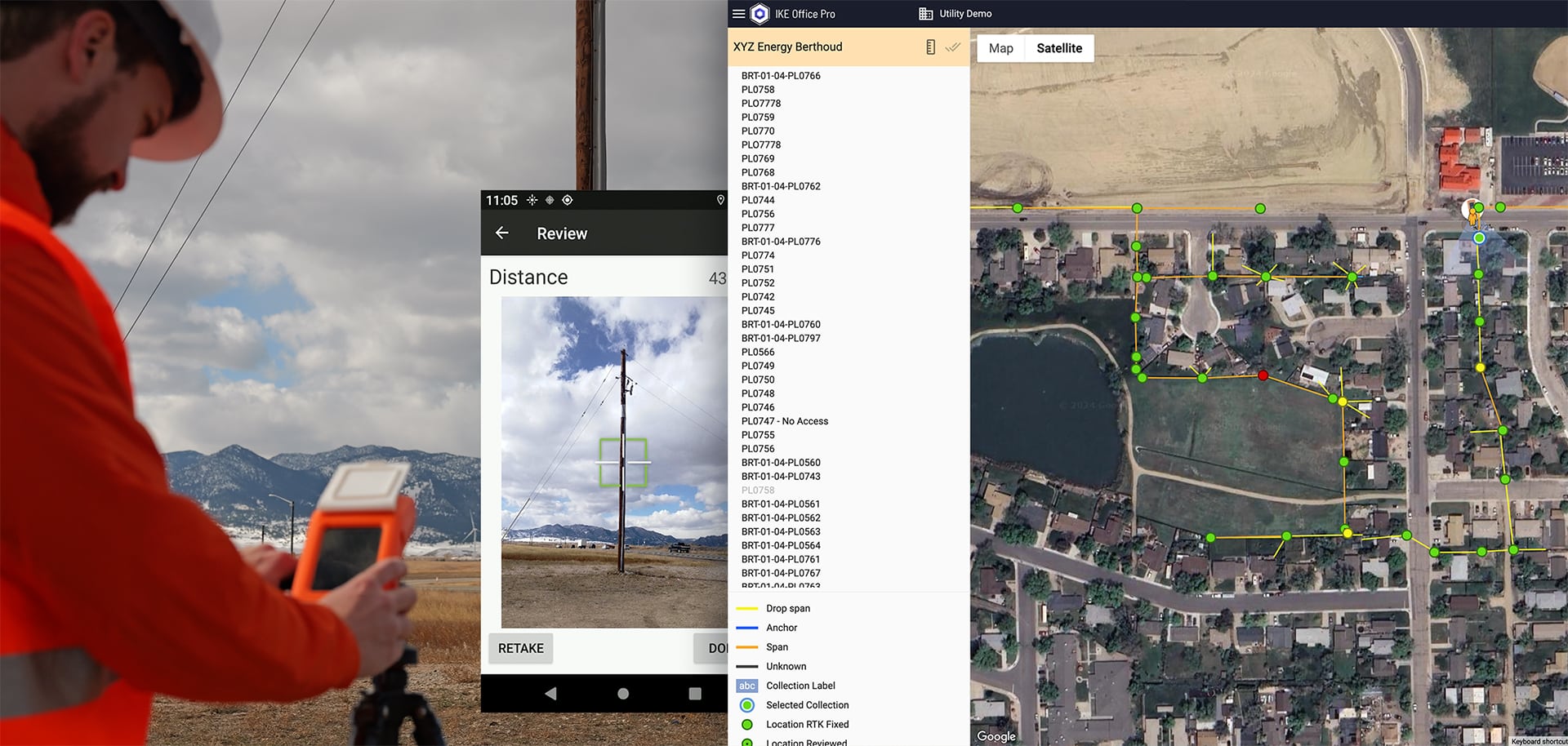
Tools like the IKE Device (left) use GPS and laser measurement to collect pole data in the field and upload it to platforms like IKE Office Pro (right) for analysis and digital records management.
Throughout this transformation, safety remains paramount. Workforce modernization and grid modernization are inseparable from safety considerations, particularly as workloads increase and project timelines compress. Digital tools can be a net positive in this regard, reducing the need for repeat site visits, limiting time spent near energized equipment, improving situational awareness, and standardizing safety checks. Just as important, they improve consistency—capturing the same measurements, photos, and documentation every time, so crews aren’t forced to “fill in the gaps” in the field under pressure. When engineers can review conditions remotely and flag hazards or constructability issues before a crew rolls, the work plan is clearer, the job briefing is stronger, and the probability of last-minute improvisation drops.
Ultimately, workforce transformation is not a standalone initiative; it is a foundational element of grid modernization itself. The scale and complexity of the work ahead demand a workforce that is larger, more digitally capable, more collaborative, and more adaptable than ever before. Utilities and engineering firms that invest proactively in people—through recruitment, training, technology enablement, and organizational culture, will be best positioned to deliver safe, reliable, and timely modernization outcomes.
Theme 4: Technology and field productivity solutions
Technology plays a central role in enabling utilities and engineering firms to meet rising grid modernization and broadband deployment demands. Workforce growth and training, while essential, are not sufficient on their own. Traditional overhead design workflows—paper forms, manual measurements, and disconnected software—cannot scale to meet today’s volumes, where millions of poles, attachments, inspections, and design evaluations require substantial productivity gains.
Utilities are increasingly adopting integrated digital ecosystems that connect field data collection, cloud collaboration, structural analysis tools, GIS systems, and joint-use management platforms. Collecting attachment heights, clearances, and imagery using standardized digital workflows improves consistency, reduces errors, enhances safety, and creates shared situational awareness across organizations. High-quality field data is the foundation of efficient engineering analysis.
Once collected, field data must be quickly accessible to engineers, planners, and reviewers. Cloud-based platforms enable utilities, engineering firms, and communications attachers to work from a single source of truth, reducing duplication and miscommunication. When integrated properly, these systems allow field data to flow directly into structural analysis and design tools, shortening review cycles and helping projects move forward without unnecessary rework. Cloud-based field service platforms supported by well-managed data and AI can automate routine processes, enhance operational efficiency, and reduce the time from issue detection to resolution19.
The shift to integrated digital workflows is transforming field operations. Instead of manual sketches, crews now capture geo-tagged images, structured measurements, and metadata that synchronize directly with engineering teams. This reduces truck rolls, accelerates permitting, and increases consistency across projects. Utilities gain improved visibility into asset’s condition, joint-use compliance, and infrastructure readiness for electrification and DER interconnections.
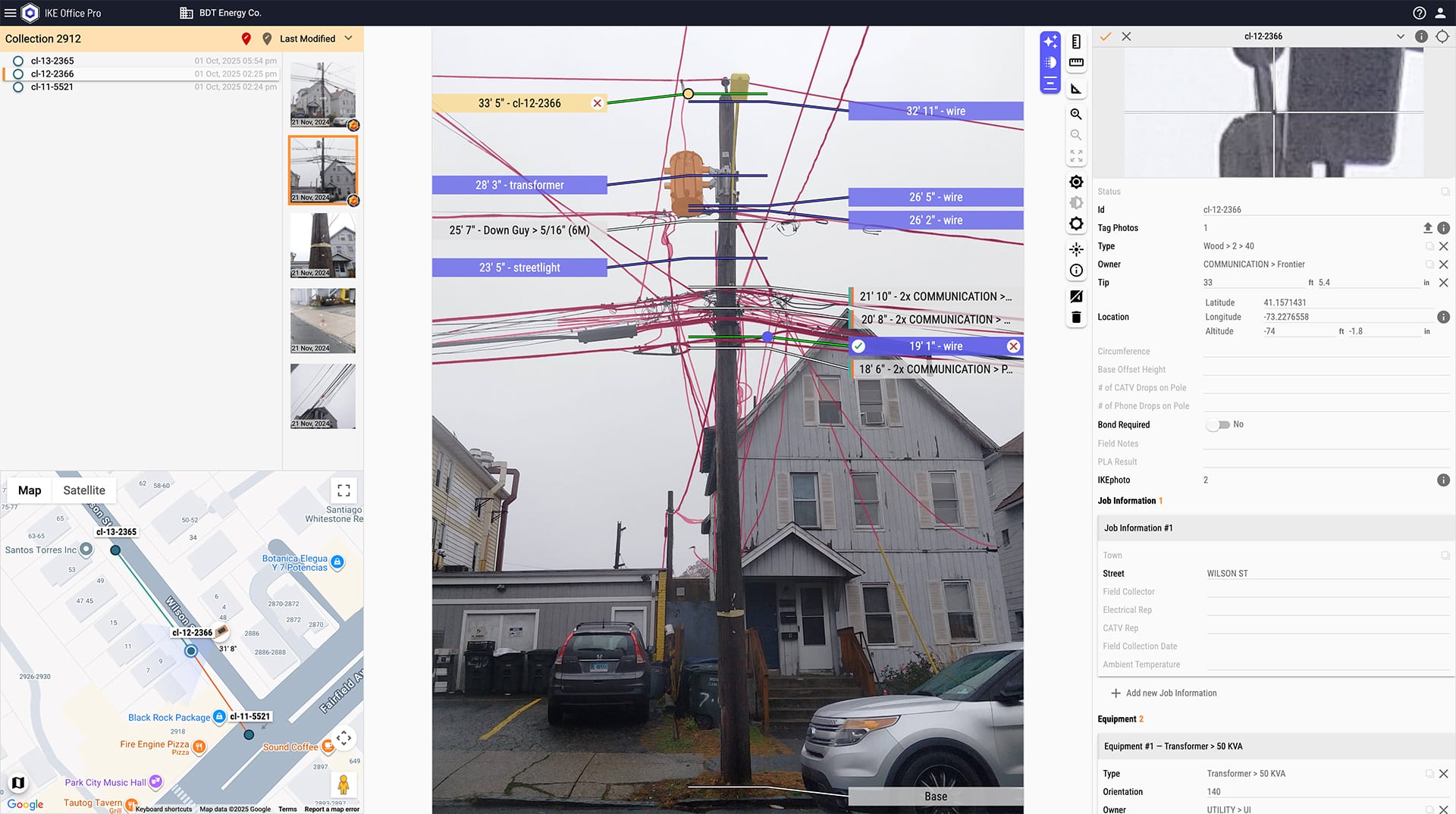
PolePilot™ for IKE Office Pro. PolePilot’s sophisticated image recognition techniques detect wires, equipment, and heights of attachment.
Technology also plays a critical role in regulatory compliance. Joint-use engineering must meet NESC safety standards, FCC timelines, state broadband mandates, and utility-specific design criteria. Automated workflows can enforce standardized checks, document compliance, and generate auditable records, reducing risk while improving transparency with regulators and attachers.
Artificial intelligence is increasingly positioned as a practical response to converging pressures on utilities, including rising demand, operational complexity, and heightened concern over customer affordability. As Utility Dive reports, utilities are being asked to manage unprecedented load growth driven by electrification, data centers, and distributed energy resources while maintaining reliability and controlling costs22. In this environment, AI supports more accurate load forecasting, scenario analysis, and asset prioritization, helping utilities direct investment where it is most needed and defer it where possible.
Beyond planning, AI is reshaping day-to-day operations. Salesforce highlights how utilities are applying AI to practical operational needs—such as predictive maintenance, outage response support, and customer engagement—by extracting patterns from large volumes of historical and real-time data23. By identifying patterns in historical and real-time data, AI systems can flag emerging equipment issues before failures occur, reducing unplanned outages and emergency repairs. AI-driven insights also support more targeted demand response programs and clearer customer communication during grid events.
Industry observers emphasize that successful AI adoption depends less on technological sophistication than on disciplined execution. Utility Dive notes that utilities achieve the greatest value when AI initiatives focus on well-defined use cases aligned with core operational challenges, rather than broad, unfocused deployments24. Incremental adoption, starting with applications such as data validation, asset screening, and work prioritization, helps reduce organizational resistance, build trust, and keep human expertise central to decision-making.
From a field operations perspective, digital tools are improving both safety and efficiency. Fewer repeat site visits, reduced time near energized equipment, and the ability to support engineering review remotely all lower exposure to hazardous conditions. Crews benefit from clearer work packages, standardized procedures, and faster feedback loops. These tools are not intended to replace engineers or field personnel, but to amplify their effectiveness. As project volumes grow, productivity gains allow organizations to absorb demand without proportional increases in headcount—an important consideration given the workforce constraints discussed in Theme 3.
Moving toward fully integrated digital workflows does require upfront investment and thoughtful change management. Technology choices must align with operational realities, training must be provided, and expectations must be established around data quality and system integration. However, the alternative—continuing to rely on fragmented, manual processes—does not scale. In this context, technology and field productivity solutions are no longer optional enhancements; they are foundational infrastructure. Organizations that successfully embed digital tools into everyday engineering and field operations will be best positioned to manage the growing scale and complexity of overhead infrastructure modernization.
How IKE can help
Field data collection and management: IKE Device + IKE Office Pro
IKE’s cloud-based software enables you to measure and manage pole records and serves as a centralized, accessible platform for collaboration between fielding, back office, and third parties. IKE Office Pro is equipped with features to enhance your existing workflows, including automating the time-consuming competitive task of annotating pole imagery. Through reporting, API’s, and an array of export features, IKE Office Pro integrates field data with downstream processes and applications.
Pole loading analysis: IKE PoleForeman
IKE PoleForeman has been the industry standard for delivering accurate and reliable pole loading analysis for nearly two decades. Build reliable structural models, measure span clearances, and ensure NESC compliance on an easy-to-use interface.
Training & education: IKE's NESC Classes
IKE’s training offerings take the complex and often hard-to-understand Code and transform it into practical, relatable information that can be applied to daily utility work. Classes are presented in-person or online.
References
- Renewable Energy World. “The U.S. High-Voltage Grid Is at a Crossroads.” Renewable Energy World, October 9, 2025. https://www.renewableenergyworld.com/power-grid/the-u-s-high-voltage-grid-is-at-a-crossroads/
- Deloitte. Expanding and Modernizing the Power Grid for a Clean Energy Transition. May 2024. https://www.deloitte.com/us/en/insights/industry/power-and-utilities/grid-modernization-and-expansion-critical-for-clean-energy-future
- U.S. Department of Energy. “Department of Energy Releases Report on Evaluating U.S. Grid Reliability and Security.” Energy.gov, July 2025. https://www.energy.gov/articles/department-energy-releases-report-evaluating-us-grid-reliability-and-security
- Rabobank. The Rise of Electric Vehicles in the U.S.: Impact on the Electricity Grid. November 2024. https://www.rabobank.com/knowledge/d011456343-the-rise-of-electric-vehicles-in-the-us-impact-on-the-electricity-grid
- RMI. EV Loads Are Coming—Here’s How They’ll Affect the Grid. April 2025. https://rmi.org/ev-loads-are-coming-heres-how-theyll-affect-the-grid/
- U.S. Department of Energy. Strategy for Achieving a Beneficial Vehicle-Grid Integration (VGI). 2025. https://www.energy.gov/sites/default/files/2025-07/vgi-strategy_072425.pdf
- arXiv. “Coordinating Distributed Energy Resources for Reliability.” arXiv preprint, June 2023. https://arxiv.org/abs/2306.08717
- U.S. Department of Energy. Grid Modernization Strategy 2024. July 2024. https://www.energy.gov/sites/default/files/2024-12/Grid%20Modernization%20Strategy%202024.pdf
- U.S. Congress Joint Economic Committee (Majority Staff). The Economic Benefits of the Bipartisan Infrastructure Deal (fact sheet), 2021. https://www.jec.senate.gov/public/_cache/files/d1342923-d8e8-4c82-b1ea-6818a9253e25/econ-benefits-of-bipartisan-infra-deal-fact-sheet.pdf
- NTIA. NTIA’s Role in Implementing the Broadband Provisions of the 2021 Infrastructure Investment and Jobs Act. https://broadbandusa.ntia.gov/news/latest-news/ntias-role-implementing-broadband-provisions-2021-infrastructure-investment-and
- Fiber Broadband Association. “Fiber Broadband Association Reports Record Fiber-to-the-Home Deployment in 2024.” January 2025. https://www.fiberbroadband.org/blog/fiber-broadband-association-reports-record-fiber-to-the-home-deployment-in-2024
- Taglang, Kevin. “More Than a Third of Americans Have Access to One or No Broadband Provider.” Benton Institute for Broadband & Society, January 7, 2025. https://www.benton.org/blog/more-third-americans-have-access-one-or-no-broadband-provider
- Federal Communications Commission (FCC). 2024 Communications Marketplace Report. December 2024. https://docs.fcc.gov/public/attachments/FCC-24-136A1.pdf
- Deloitte. 2026 Power and Utilities Industry Outlook. October 29, 2025. https://www.deloitte.com/us/en/insights/industry/power-and-utilities/power-and-utilities-industry-outlook.html
- Center for Energy Workforce Development (CEWD). Energy Workforce Fast Facts: Electric, Natural Gas, and Renewables. Washington, DC, 2023. https://cewd.org/wp-content/uploads/2023/01/CEWD-2023-Workforce-Report-Executive-Summary_2023-FINAL-1.pdf
- Center for Energy Workforce Development (CEWD). Gaps in the Energy Workforce Pipeline. Washington, DC, 2023. https://cewd.org/wp-content/uploads/2022/02/Gaps-In-Energy-Careers-Report-2022_Final-pages.pdf
- Carrara, Matthew. “Future-Proofing the Power Workforce.” T&D World, December 3, 2024. https://www.tdworld.com/electric-utility-operations/article/55246927/future-proofing-the-power-workforce
- St. John, Jeff. “Bridging the Skills Gap and Preparing Tomorrow’s Utility Workforce.” Utility Dive, October 7, 2025. https://www.utilitydive.com/news/bridging-the-skills-gap-and-preparing-tomorrows-utility-workforce/802200/
- National Academies of Sciences, Engineering, and Medicine. The Future of Electric Power in the United States. Washington, DC: National Academies Press, 2021. https://nap.nationalacademies.org/catalog/25968/the-future-of-electric-power-in-the-united-states
- EPRI. Priority Sustainability Issues for the North American Electric Power Industry: Results of Research with Electric Power Companies and Stakeholders in the United States and Canada. EPRI, Palo Alto, CA: 2017. 3002011444.
- Deloitte Digital. Field Service Operations & Technology. Accessed 2025. https://www.deloittedigital.com/us/en/capabilities/field-service-operations-technology.html
- Utility Dive. “What’s Ahead for Utilities: Navigating Demand, AI and Customer Affordability.” Sponsored content, December 2025. https://www.utilitydive.com/spons/whats-ahead-for-utilities-navigating-demand-ai-and-customer-affordabilit/806606/
- Salesforce. AI in the Utilities Industry: Use Cases & Trends. Accessed 2025. https://www.salesforce.com/energy-utilities/artificial-intelligence-utilities/
- Utility Dive. “Practical AI for Utilities: How to Prioritize and Scale Real-World Use Cases.” Sponsored content, February 18, 2025. https://www.utilitydive.com/spons/practical-ai-for-utilities-how-to-prioritize-and-scale-real-world-use-case/739893/
About IKE
We’re ikeGPS, the PoleOS™ Company. We help electric utilities, communications companies, and their engineering providers gain actionable insights on overhead infrastructure. Our data acquisition and analysis solutions transform how to design, construct, and inspect overhead assets. With two decades of industry expertise, IKE has become the standard for eight of the 10 largest investor-owned electric utilities in North America.
Table of contents
- Theme 1: Massive grid modernization is creating unprecedented engineering demand
- Theme 2: Broadband expansion, joint use, and overhead infrastructure demand
- Theme 3: Workforce transformation in the energy and utility sector
- Theme 4: Technology and field productivity solutions
- How IKE can help
IKE provides a strong foundation for efficient engineering analysis
Related resources
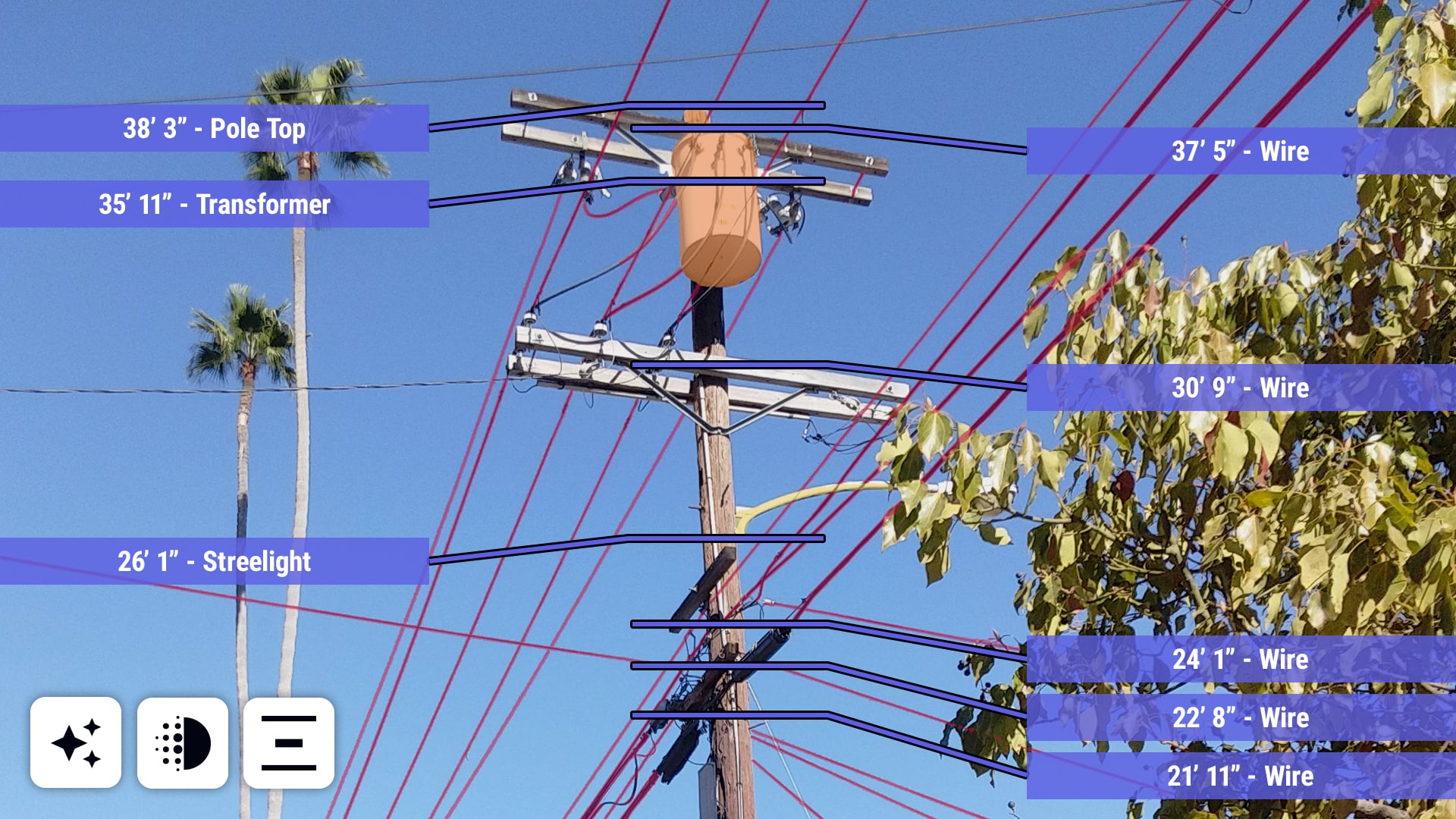
Introducing PolePilot™: Intelligent automation for utility pole analysis
Analyzing distribution pole imagery is traditionally a manual, time-consuming process. There are several factors that add to the complexity - how many attachments the pole...
Read Now
Video chat: Challenges and opportunities for Power Delivery leaders (part 2)
Overview Energy industry expert and author, Peter Kelly-Detwiler, Dennis Elsenbeck, head of the energy practice at Phillips, Lytle LLP and former VP at National Grid,...
Read Now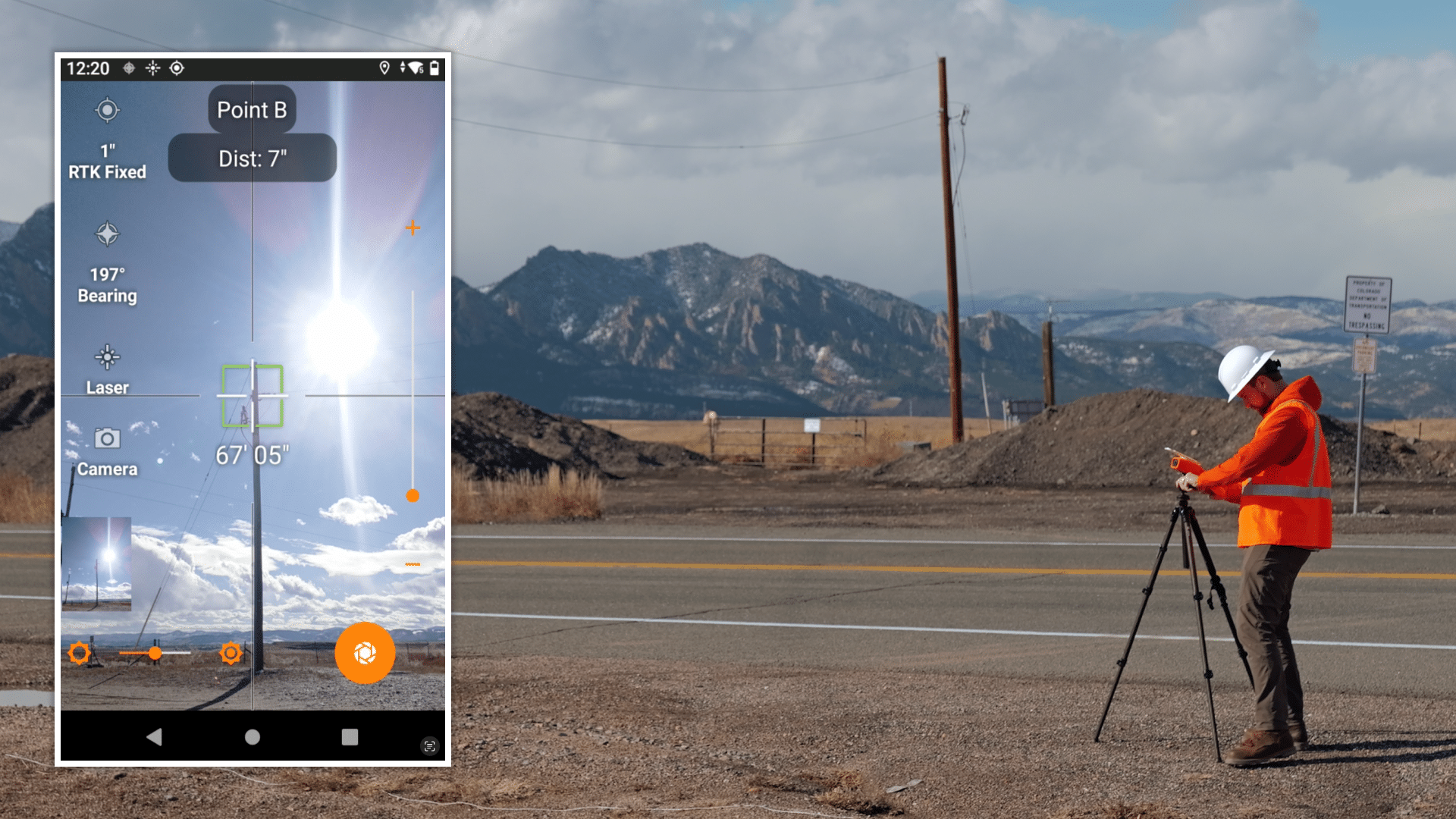
Safety and Speed in Pole Data Collection: Enhancing Fielding with the IKE Device
Join us for the latest in our IKE Office Pro webinar series, focusing on how the IKE Device ensures field safety while accelerating pole data...
Watch Now