The PoleOS™ Company



NESC requirements for fiber-optic cables in the supply space
As a member of National Electrical Safety Code (NESC) committees and IKE’s NESC training instructor, I regularly field questions about fiber-optic cable sharing the supply space with energized conductors. This is one of the most common questions I hear when cooperatives, PUDs, and other utilities install their own fiber between substations. Below, I summarize the governing rules.
Fiber can occupy the supply space, with conditions
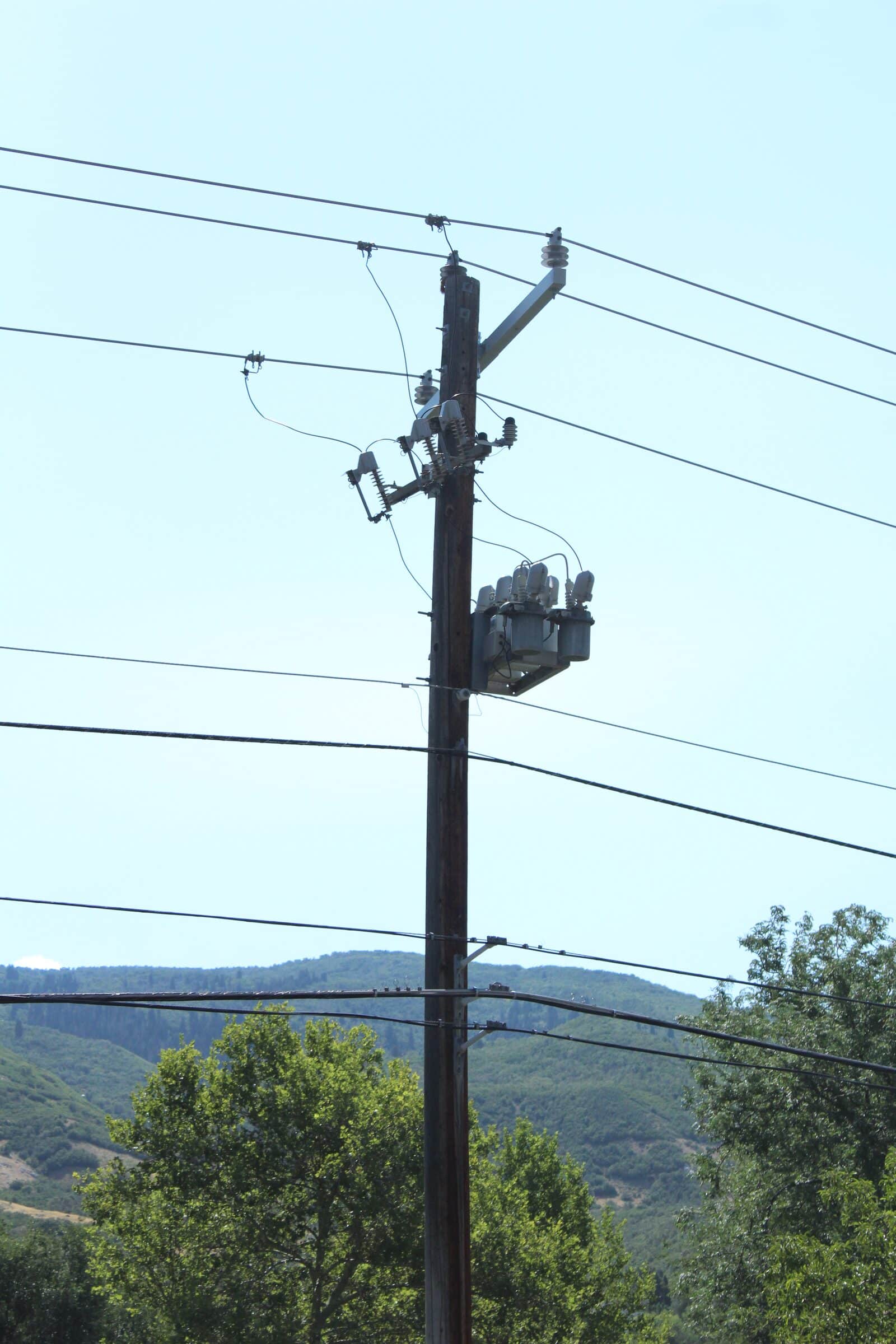
NESC Rule 224 permits communication cables, including fiber-optic cables, to be located in either the supply space (the power space) or the communication space. They can even be located in both along the same pole line (supply space in one section, communication space in another); however, the transition between the two spaces must occur at a pole, not in the mid-span.
A common violation involves fiber installed properly in the communication space on one pole and transitioning into the supply space in the span, rather than at a pole. The correct approach is to make that transition at a pole, using a riser.
This distinction has direct safety implications. Once a fiber-optic cable is located in the supply space, it is no longer accessible to communication workers. A communication worker may not position any tool or any part of their body into the supply space. Any fiber cable installed or maintained in the supply space must be handled by a qualified electric lineman. Utilities and communications companies should confirm that workforce planning and safety training reflect this requirement wherever fiber is installed in the supply space.
The 40-inch clearance has a common exception
NESC Table 235-5 requires a clearance of 40 inches from cables in the communication space to neutrals or communication cables in the supply space. A footnote in that table allows that clearance to be reduced to 30 inches under either of the following conditions:
- The cable is on a messenger that is effectively grounded (four grounds per mile, and if both cables have messengers they must also be bonded together at least four times in each mile), or
- The cable is entirely dielectric, meaning it contains no conductive material — for example, ADSS (all-dielectric self-supporting) fiber.
This 30-inch allowance applies to clearance from the neutral and from other communication cables in the supply space to the cables and equipment in the communication space. Cooperatives, PUDs, and other utilities that install their own fiber between substations or to deliver service to members and customers frequently rely on this exception to obtain the necessary clearance.
It’s important to note that joint-use agreements may impose stricter requirements. Many joint-use agreements between the pole owner and attaching parties still require the full 40 inches to the neutral, even where the NESC would allow less. The 30-inch exception is more commonly permitted to other communication cables than to the neutral itself. Before applying the 30-inch clearance in design or make-ready planning, confirm what the governing joint-use agreement allows, since it may differ from what the Code permits.
Cases with no specified clearance requirement
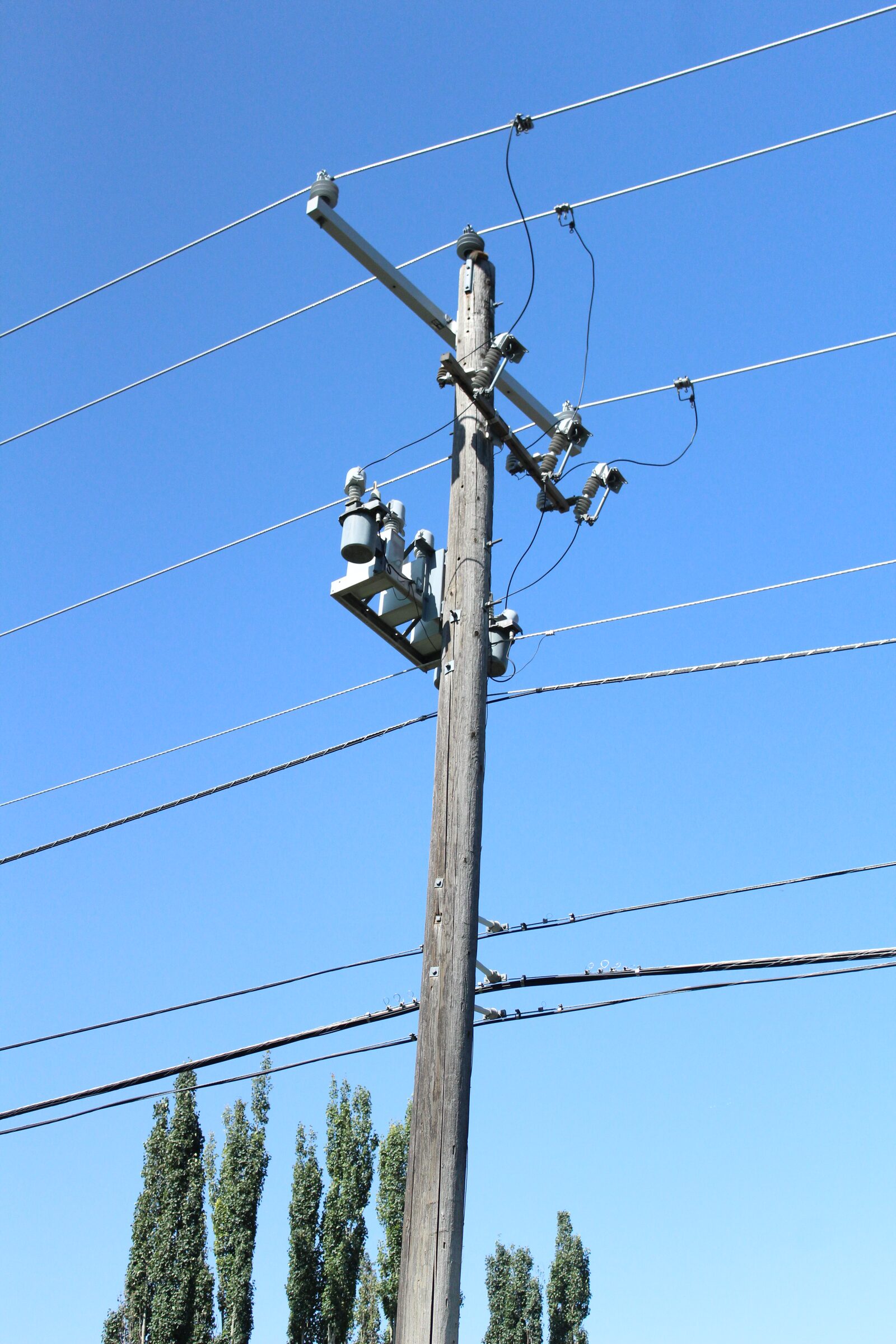
For all-dielectric fiber-optic cable that shares the supply space with energized phase conductors, the NESC does not specify a clearance to the neutral or to the phase wires. Because this cable does not conduct electricity, the Code does not impose the same separation requirements that apply to conductive communication cables.
This does not mean installation is unrestricted. In the absence of a specified clearance, accepted good practice governs spacing decisions. Because this work occurs directly in the supply space, it must be performed by journeyman linemen qualified to work safely around energized lines. The Communication Worker Safety Zone does not apply in this case, since communication workers are not allowed to install or maintain this cable (the communication worker safety zone is the area on the pole between the supply space and communication space).
This also addresses a related NESC rule: where a utility owns both the neutral and the fiber running mid-span, no clearance requirement applies between the two, provided qualified electric linemen perform the installation. Contract linemen approved by the pole owner have, on occasion, installed short sections of non-utility-owned fiber in the supply space, though this is typically not permitted under standard joint-use agreements.
Implications for pole data and compliance
Each of these rules depends on accurate knowledge of the pole’s attachments and equipment, including cable type, attachment point, whether the messenger is grounded, and where transitions occur. This level of detail is frequently missing due to outdated pole records or field surveys that do not capture adequate details.
When managing fiber attachments at scale, particularly during active broadband build-outs, accurate pole data is a prerequisite for verifying NESC compliance. IKE PoleForeman, IKE’s leading pole loading analysis software, supports fiber-optic supply circuits, allowing make-ready and compliance reviews to reflect the applicable clearance rules and exceptions rather than defaulting to a flat 40-inch assumption.
Have an NESC Question?
If you’ve got a Code question of your own, I’d encourage you to join our next “Ask the NESC Expert” webinar, where I answer questions like these live.
Know the Code. Stay safe.
Learn more about NESC and OSHA training classes with IKE
Grant Glaus is a registered professional electrical engineer with more than 27 years of experience in electric utility engineering, including line design, planning studies, joint use, and teaching NESC, OSHA, and distribution line design classes. He has served on IEEE NESC committees since 2006 and is currently a member of the NESC Main Committee and Subcommittee 5 Overhead Lines–Strength and Loading.

The latest from the IKE Wire
How to choose the right OSP data collection solution
Comparing five OSP field technologies and the common use cases they support When it c...
Read MoreThe IKE Device now supports staking and a lot more utility fielding workflows
The latest round of IKE Device updates expands the scope of what a single field data ...
Read MorePole loading analysis as a risk management strategy for utilities
How to turn uncertainty on distribution asset health into quantified, manageable risk...
Read MoreSubscribe to the IKE Wire
Get the latest insights on data acquisition and structural analysis from the ikeGPS experts.